Emergency Room Simulator Emergency Procedures & CPR
Master time-critical interventions before the monitors start screaming.
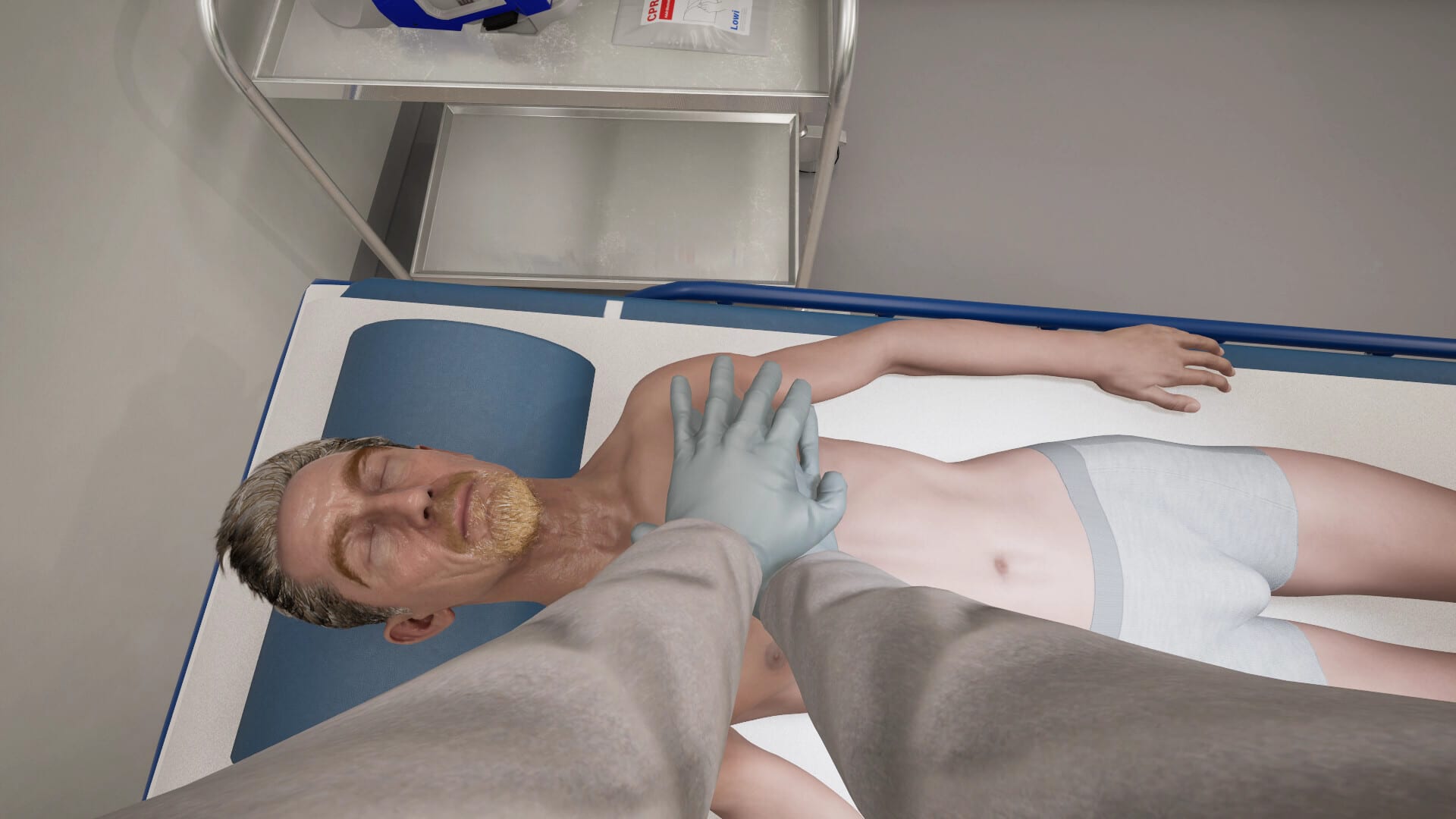
Steam’s feature list ends with a blunt promise: Save lives under pressure and master time-critical emergencies like CPR when hesitation kills. Emergency Room Simulator is not only a diagnostic puzzler — it is a reflex test. This guide prepares your hands and head for crisis beats that interrupt calmer charting sessions.
Treat emergency procedures as muscle memory layers stacked on top of the diagnosis workflow. You still need a working diagnosis, but during arrest you prioritize circulation and oxygenation over perfect documentation.
Recognize crisis states early
Before full arrest, watch for precursor patterns:
- Sudden loss of responsiveness
- Agonal breathing mistaken for normal respirations
- SpO2 cliff despite supplemental oxygen
- Ventricular tachycardia patterns on monitors (if simulated)
- Profound hypotension after procedural complications
Audio cues and nurse callouts will likely telegraph these moments — wear headphones and calibrate volume using the shift prep checklist.
CPR and basic life support rhythm
Official trailers emphasize CPR explicitly. Until binding prompts are public, practice a generic compression-first loop:
- Check responsiveness and breathing
- Activate help — call for crash cart / announce code if UI supports
- Start high-quality compressions — depth and rate matter in sims with QTE meters
- Minimize pauses — prep defibrillator or medication during compressor switches if allowed
- Reassess rhythm after each cycle
Map each step to your device via PC controls or controller support so you are not reading tooltips mid-code.
Airway and breathing interventions
Depending on scenario design, you may need to:
- Position airway (head tilt-chin lift unless trauma)
- Provide bag-valve ventilation
- Place advanced airways in later scenarios
Follow on-screen prompts over real-world improvisation if the sim simplifies techniques for accessibility.
Circulation: access, fluids, meds
Emergency treatment likely includes IV access, fluid boluses, and emergency medications tied to diagnosis (epinephrine in arrest, dextrose in hypoglycemia). Read medication prompts carefully — wrong drug clicks may be irreversible.
Document what you gave in the patient chart once stable; some sims score med reconciliation.
Hemorrhage control
Trauma bays may require direct pressure, tourniquet application, or wound packing before imaging. If a patient is bleeding visibly, procedures beat paperwork. Return to CT after hemorrhage control stabilizes vitals.
When to abort non-critical tasks
If you are mid suture or waiting on non-urgent labs, cancel when:
- A code blue triggers elsewhere (see triage priorities)
- Your patient’s status degrades from stable to critical
The sim teaches opportunity cost — finishing a cosmetic repair while a patient codes is a fail state.
Team coordination cues
Even single-player sims often simulate nurses or paramedics shouting requests. Respond to:
- Medication ready prompts
- Defibrillator charged calls
- Rhythm change announcements
Delaying acknowledgment may waste seconds even if AI teammates auto-start some tasks.
Post-resuscitation care
Survival is not victory. After ROSC (return of spontaneous circulation):
- Identify reversible causes (hypoxia, hypovolemia, toxins, tamponade, tension pneumo, thrombosis)
- Order follow-up tests
- Stabilize before transferring to virtual ICU narratives if present
Practice schedule
Weekly before launch:
- Five minutes of control drills on compression prompts (use any rhythm game for tempo if no demo exists)
- One mental rehearsal of interrupting a green case for a red case
After launch, replay the first code scenario until inputs are automatic, then increase difficulty.
Related resources
- First-shift guide — where emergencies sit in the loop
- Medical equipment — monitors and defibrillator context
- Release roadmap — launch timing
- Pre-release preview — feature expectations
Frequently Asked Questions
Quick answers to the most common questions.
Does the game teach CPR step-by-step?
Expect guided prompts during emergencies. This guide prepares you conceptually until tutorials are confirmed.
Can I fail CPR permanently?
Most sims allow retry or scenario fail states. Exact rules will be documented post-launch.
Are procedures realistic?
Aerosoft advertises realistic medical procedures, but gameplay abstractions are likely for accessibility.
What controls matter most?
Fast menu access and reliable compression inputs — tune them via the [controls hub](/controls/).